Food courses
Showing 1-11 of 67 courses
 HACCP
HACCP
HACCP Refresher Training Course
The purpose of this course is to refresh and provide updates on recent developments for HACCP, including Codex Alimentarius 2022 Guideline for HACCP. It also covers the five preliminary steps and seven principles of HACCP.
 Food
Food
FSSC 22000 V7 Food Safety System Certification Transition Training Course
This course has been developed by SGS for the benefit of clients wishing to understand the FSSC 22000 Certification Scheme and its requirements.On 1st May 2026 FSSC released an updated version from v6 to v7.This course aims to provide learners with an overview of the main changes from FSSC 22000 v6 to v7, including all major “new” and “enhanced” requirements, key process updates and changes to categories and subcategories.Course ContentIntroduction / Overview of FSSC 22000 V7 and the Core DriversMajor "New" and "Enhanced" RequirementsCategories and SubcategoriesKey Process Updates
 HACCP
HACCP
Principles and Applications of HACCP Nationally Recognised Training Course
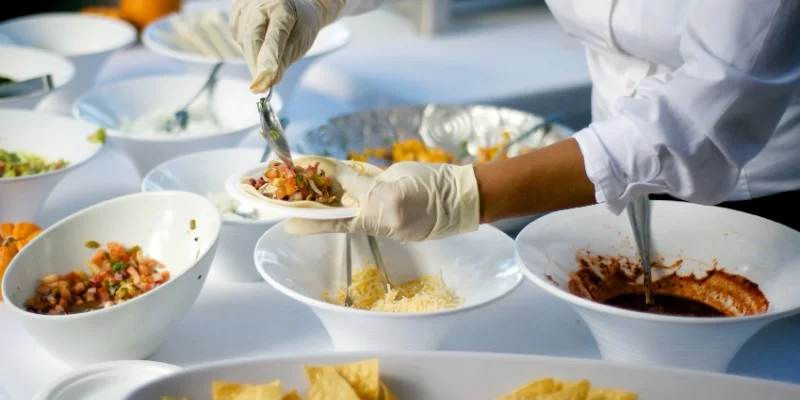
This course will provide participants with a practical understanding of Hazard Analysis and Critical Control Point (HACCP) procedures, including developing and implementing a HACCP System to meet customer and regulatory requirements.Course Content:Food safety managementFood Law in AustraliaGood hygiene practices and pre-requisite programsFood safety hazards and their controlIntroduction to HACCPPreliminary steps for HACCPPrinciples of HACCPAssessment:A Theory Assessment with multiple choice and short answer questionsA practical assessment which includes:Demonstration of participating in a food safety team and implementing a food safety program and procedures on two (2) occasions, including:Case StudiesGHPS and Prerequisite ProgrammesIdentifying food hazardsPreparing for HACCPIdentifying and acting on non-compliancesApplying the HACCP PrinciplesA Third-Party Observation Report; where you are observed completing:Implementing a food safety programParticipating in maintaining and improving food safetyComplying with personal hygiene standardsPlease note: This report must be completed by a supervisor who can observe you on at least 2 occasions in a food industry workplace.Please note: Participants will need to successfully complete and submit the Third-Party Observation to SGS Academy to be verified within 3 months of completing the course.If you are looking to complete the Principles and Applications of HACCP Training Course which does not incorporate Nationally Recognised Training Units of Competency, please click on the following for further information - Principles and Applications of HACCP Training Course
 Food Safety and Food Hygiene
Principles and Applications of HACCP Training Course
The purpose of this course is to equip learners with an understanding of the concept of HACCP, and how to implement it. The importance of HACCP based food safety management procedures for the food business.This course is based on the requirements of the General Principles of Food Hygiene CXC 1-1969 (2022) which includes Good Hygiene Practices (GHPs) and Hazard Analysis Critical Control Point (HACCP) System.Course ContentFood safety management and HACCPFood safety hazards and their controlGood hygiene practices and pre-requisite programmesPreliminary (Codex) steps for the application of HACCPCodex principles for the application of HACCP
 Food
Food
SQF Edition 10 Conversion Course
Prepare your team for a confident and successful transition to SQF Edition 10 with this interactive, 4-hour instructor-led workshop.As audits under the new edition are anticipated to begin as early as 2027, sites need to start planning now — not later — to understand what’s changed and how to implement those changes effectively.Designed specifically for SQF Practitioners, quality assurance professionals, and certified site teams, this course goes beyond high-level updates to actively build your ability to interpret the revised Code and apply it to your system. Participants will walk through Edition 10 structural changes, learn where and how new requirements are located in the digitised Code, and gain hands-on experience evaluating their own programs. Guided activities help you identify gaps, prioritise changes, and develop a realistic transition plan tailored to your site.Upon completion of course, participants will be issued with a Statement of Attendance.Meet your Trainer:Damien Alexander is the SQFI Asia‑Pacific Representative and an award‑winning food safety professional with over 20 years’ experience implementing, auditing, and training SQF systems across Australia and internationally.Edition 10: Frequently Asked QuestionsFor a list of FAQ's related to Edition 10, please click here
 Food
Food
Food Defence Awareness Training Course (inc. TACCP) (CVILT)
This highly participative training course provides an introduction and overview of Food Defence and explores guidelines, legal requirements and standards in use alongside GFSI expectations. The course explores authenticity plans to help map your supply chain and the importance of Food Defence plans.
 BRCGS
BRCGS
BRCGS - Internal Auditor
This course is to enable participants to undertake internal audits and prepare companies for third party audits.It’s delivered via a series of workshop-led discussions, presentations and an interactive case study. During the live case study, you will be given feedback and support to enable you to carry out an audit at your own workplace.
 Food
Food
Implementing SQF Systems Edition 10 Training Course
The first step to achieving SQF certification is to clearly understand the SQF Food Safety Code.The Implementing SQF System course is designed for those individuals, such as the SQF practitioner, responsible for developing, aligning, verifying, maintaining, and otherwise supporting the site’s SQF food safety System and its culture of food safety.With a focus on continuous improvement, practical activities provide attendees the opportunity to align their existing programs with the SQF Code and build skills that will enable an environment where food safety is a top priority.Upon completion of course, participants will be issued with a Statement of Attendance. An optional exam is available following the SQF course via the SQFI web site for an additional fee of $US85 - Click Here.Meet your Trainer:Damien Alexander is the SQFI Asia‑Pacific Representative and an award‑winning food safety professional with over 20 years’ experience implementing, auditing, and training SQF systems across Australia and internationally.Edition 10: Frequently Asked QuestionsFor a list of FAQ's related to Edition 10, please click here
 Food
Food
PCQI - Preventive Control Qualified Individual Human Food Training Course (CVILT)
Prerequisites: Prior knowledge of GMP’s and HACCP, or experience with Food Safety Management Systems, is recommended.FSPCA requires each participant to have your webcam on during the duration of the training.This course developed by the FSPCA is the “standardized curriculum” recognized by FDA; successfully completing this course is one way to meet the requirements for a “preventive controls qualified individual.”The Current Good Manufacturing Practices, Hazard Analysis, and Risk-based Preventive Controls for Human Food regulation (referred to as the Preventive Controls for Human Food regulation) are intended to ensure safe manufacturing, processing, packing, and holding of food products for human consumption in the United States.
 Food
Food
Allergen Management and VITAL 4.0
This VITAL Training Course provides participants with the skills to perform a VITAL allergen risk assessment and declare cross contact food allergens appropriately. The focus of this course is to showcase how the VITAL Program allows food producers to assess the impact of allergen cross contact and provide appropriate precautionary allergen labelling statements on their products.The VITAL Training Course is designed to complement VITAL Online. This course provides the following:a practical approach to integrating the VITAL Program into an allergen management planan interactive component incorporated throughout the packageopportunity to use VITAL Online, the web-based VITAL Calculatora range of practical examplesopportunities for group discussions.To be successful in understanding the concepts of the VITAL Program, participants need to have a sound grasp of the concepts behind food allergy, allergen labelling, allergen management and allergen analysis.
 Food
Food
FSSC 22000 V7 Food Safety System Certification Internal Auditor Training Course
This course has been developed by SGS for the benefit of learners wishing to understand how to internally audit against FSSC 22000 and its requirements.In May 2026, the scheme was updated from Version 6 to Version 7.This training provides learners with the knowledge and skills required to perform an internal audit of part of a FSMS against FSSC 22000 v7 and ISO 22000:2018, in accordance with ISO 19011:2026, ISO 22002-1:2025, as applicable and contribute to the continual improvement of the management system.Course ContentIntroduction to FSSC 22000 Version 7 (V7)Food Safety Management System (FSMS)Audit Definitions: Principles and TypesRoles and Responsibilities of AuditorsThe Audit ProcessPreparing for the Internal AuditConducting the AuditAudit Review