




All courses
Showing 12-22 of 331 courses
 Health and Safety
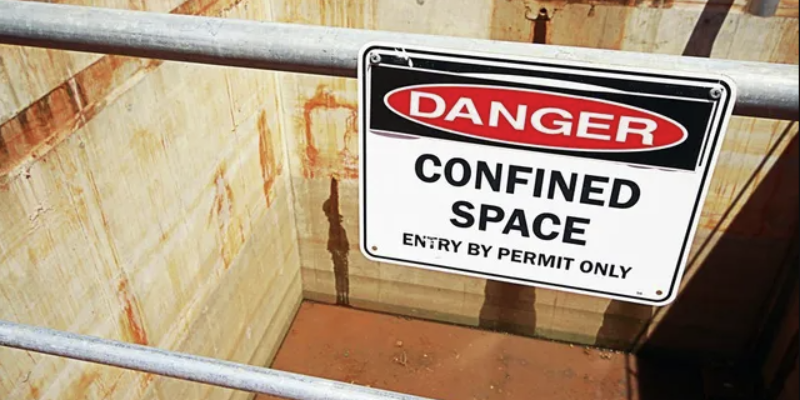
Enter and Work in Confined Spaces - 2 Day Course
DescriptionThis course is designed to provide participants with the skills and knowledge required for entering and working in confined spaces in the resources and infrastructure industries. It includes planning and preparing for entry, work and exiting confined spaces including working in accordance with an issued permit, Standby duties, gas monitoring and the issuing of permits.Course Content:Legislation, standards, codes of practice and proceduresAssessing, entering, working and exiting confined spacesStandby dutiesSignageLock, tag out and isolation proceduresPurging and ventilationIssuing and working in accordance with a permitEquipment used in or near confined spacesHazard analysis, risk assessment and risk controlsProcedures for atmospheric monitoringUnderstanding and use of gas monitoring equipmentMaintenance of gas monitoring equipmentUse of ropes and knotsAssessment:A Theory Assessment with multiple choice and short answer questionsPractical Assessments, with tasks including:Pre-Start equipment inspectionsCompleting personal risk assessment documentation such as Take 5's and JSA'sTaking part in two (2) simulated confined space entries under supervision and instructionIssuing and observing work permits as part of the above Confined space entries
 HACCP
Principles and Applications of HACCP Nationally Recognised Training Course
This course will provide participants with a practical understanding of Hazard Analysis and Critical Control Point (HACCP) procedures, including developing and implementing a HACCP System to meet customer and regulatory requirements.Course Content:Food safety managementFood Law in AustraliaGood hygiene practices and pre-requisite programsFood safety hazards and their controlIntroduction to HACCPPreliminary steps for HACCPPrinciples of HACCPAssessment:A Theory Assessment with multiple choice and short answer questionsA practical assessment which includes:Demonstration of participating in a food safety team and implementing a food safety program and procedures on two (2) occasions, including:Case StudiesGHPS and Prerequisite ProgrammesIdentifying food hazardsPreparing for HACCPIdentifying and acting on non-compliancesApplying the HACCP PrinciplesA Third-Party Observation Report; where you are observed completing:Implementing a food safety programParticipating in maintaining and improving food safetyComplying with personal hygiene standardsPlease note: This report must be completed by a supervisor who can observe you on at least 2 occasions in a food industry workplace.Please note: Participants will need to successfully complete and submit the Third-Party Observation to SGS Academy to be verified within 3 months of completing the course.If you are looking to complete the Principles and Applications of HACCP Training Course which does not incorporate Nationally Recognised Training Units of Competency, please click on the following for further information - Principles and Applications of HACCP Training Course
 Food Safety and Food Hygiene
Principles and Applications of HACCP Training Course
The purpose of this course is to equip learners with an understanding of the concept of HACCP, and how to implement it. The importance of HACCP based food safety management procedures for the food business.This course is based on the requirements of the General Principles of Food Hygiene CXC 1-1969 (2022) which includes Good Hygiene Practices (GHPs) and Hazard Analysis Critical Control Point (HACCP) System.Course ContentFood safety management and HACCPFood safety hazards and their controlGood hygiene practices and pre-requisite programmesPreliminary (Codex) steps for the application of HACCPCodex principles for the application of HACCP
 Health and Safety
ISO 45001:2018 Occupational Health & Safety Management Systems Introduction Training Course
The purpose of this course is to equip learners with an understanding of the learning objectives relating to ISO 45001: 2018, the New ISO Standard for Occupational Health and Safety Management Systems – Requirements, with Guidance for Use.Prior KnowledgeThere are no prior knowledge requirements for this course; however, it is advisable for learners to have knowledge of Annex SL.
 Health and Safety
Enter and Work in Confined Spaces Advanced Refresher
This course is designed to provide participants with refreshed and updated skills and knowledge required for entering and working in confined spaces in the resources and infrastructure industries. It includes planning and preparing for entry, work and exiting confined spaces including working in accordance with an issued permit, standby duties, gas monitoring, issuing of permits, the use of breathing apparatus and confined spaces rescue.Course Content:Legislation, standards, codes of practice and proceduresAssessing, entering, working and exiting confined spacesStandby dutiesSignageLock, tag out and isolation proceduresPurging and ventilationIssuing and working in accordance with a permitEquipment used in or near confined spacesHazard analysis, risk assessment and risk controlsProcedures for atmospheric monitoringUnderstanding and use of gas monitoring equipmentMaintenance of gas monitoring equipmentUse of ropes and knotsSelection, use and maintenance of respiratory devicesResponding to an emergency situationAssessment:A Theory Assessment with multiple choice and short answer questionsPractical Assessments, with tasks including:Pre-Start equipment inspectionsCompleting personal risk assessment documentation such as Take 5's and JSA'sTaking part in two (2) simulated confined space entries under supervision and instructionIssuing and observing work permits as part of the above Confined space entriesUsing breathing apparatus to meet operational requirementsRescuing a person from a confined space
 Health and Safety
Fire Extinguisher and Emergency Warden Training Course
This course involves the skills and knowledge required to confine small emergencies in a facility as well as working within the command, control and coordination structure of an Emergency Control Organisation (ECO).Small emergencies in a facility include incidents such as small fires that can be controlled using a fire extinguisher; chemical spills that can be controlled using facility personal protective clothing and equipment and a spill kit; or a vehicle accident where there is no significant injury or damage. An ECO's priority is the safety of facility occupants and visitors during an emergency which means ECO members are responsible for pre-emergency, emergency and post emergency actionsThis course has been developed to cover the facilities as specified in Australian Standard AS3745 and AS4083. For this course, as covered by AS3745 and/or AS4083, occupants are people attending a facility on a permanent or temporary basis such as an employee, contractor, student or resident, but not a visitor or patient and a facility is a building, structure or workplace that is, or may be, occupied by people (occupants).All aspects of this course must be undertaken in line with legislative requirements, organisational policies and procedures, and accepted safe work practices.Course Content:Undertaking pre-emergency planningPreparing for emergency situationsIdentifying and assessing an emergencyTaking appropriate actions in an emergencySafely confining emergenciesUsing initial response equipmentAssisting with post emergency activitiesReporting on the facility's emergency response.Assessment:Theory Assessments with multiple choice and short answer questionsPractical Assessments, with tasks including:A prestart inspection on a fire extinguisherCorrect use of portable fire extinguishersCorrect use of a fire blanketUndertake pre-emergency planningTake appropriate actions in an emergencyAssist with post emergency activities
 Health and Safety
Standard 11 Surface Mining Induction
The Standard 11 Surface Mining Induction provides training on the skills and knowledge required to meet the Queensland regulatory requirements for those aiming to work in open-cut coal mining operations in Queensland.Course Content:General mining overviewLegislationGeneral safetyManaging workplace hazardsRisk managementIsolation and tagging proceduresSite communication equipment and systemsTraffic and mobile equipment proceduresLifesaving first aidLocal emergency and incident responseFirefighting and fire preventionThe environmentThe work processPlease note: Lunch is catered for this course. Please contact us if you have any dietary requirements.AssessmentThis course includes the following competency-based assessments:Complete a Theory Assessment with multiple choice and short answer questionsComplete a Team Assessment on Hazard Identification and Risk Assessment.Complete a Take 5Complete 3 Safety TagsContribute to Pre-Start MeetingsComplete a Fire Extinguisher inspectionRespond to two First Aid incidents; including where you must perform at least 2 minutes of uninterrupted single rescuer cardiopulmonary resuscitation (CPR) (5 cycles of both compressions and ventilations) on an adult resuscitation manikin placed on the floor.
 Health and Safety
Provide First Aid and CPR Refresher
This First Aid and CPR refresher course is for those that hold a current first aid certificate only. This course is designed to refresh participants with up-to-date skills and knowledge required to provide first aid response, life support including how to perform cardiopulmonary resuscitation (CPR) on a person who is unconscious and not breathing normally in line with Australian Resuscitation Council (ARC) Guidelines and management of casualty(s) and the incident and other first aiders until the arrival of medical or other assistance.Course Content:DRSABCD action planManaging the unconscious breathing casualtyCardiopulmonary resuscitation (CPR) stepsDemonstration and use of an Automated External Defibrillator (AED)LegalrequirementsInfection controlChoking and airway obstructionFirst Aid kitsChest PainAsthmaAllergic reactions and AnaphylaxisShockWounds and non-life-threatening bleedingBurns and scaldsSafety and risk managementFractures, sprains, strains and dislocationsHead, neck and spinal injuriesEye injuriesHeat and cold induced illnessesPoisons and toxic substancesBites and stingsUnconsciousnessAssessment:This course includes the following competency-based assessments:A Pre-Course Theory AssessmentA Theory Assessment with multiple choice questionsPractical Assessment, with tasks including:Perform at least 2 minutes of uninterrupted single rescuer cardiopulmonary resuscitation (CPR) (5 cycles of both compressions and ventilations) on an adult resuscitation manikin placed on the floor.Perform at least 2 minutes of uninterrupted single rescuer CPR (5 cycles of both compressions and ventilations) on an infant resuscitation manikin placed on a firm surface.Follow the prompts of an automated external defibrillator (AED)Complete an injury reportRespond to the following first aid scenarios:non-life-threatening bleeding control and shockNose bleedAnaphylaxisEnvenomationFractures and dislocationsAsthmaChoking and airway obstruction
 Health and Safety
Provide First Aid and CPR
This course is designed to provide participants with the skills and knowledge required to provide first aid response, life support including how to perform cardiopulmonary resuscitation (CPR) on a person who is unconscious and not breathing normally in line with Australian Resuscitation Council (ARC) Guidelines and management of casualty(s) and the incident and other first aiders until the arrival of medical or other assistance.Course Content:DRSABCD action planManaging the unconscious breathing casualtyCardiopulmonary resuscitation (CPR) stepsDemonstration and use of an Automated External Defibrillator (AED)LegalrequirementsInfection controlChoking and airway obstructionFirst Aid kitsChest PainAsthmaAllergic reactions and AnaphylaxisShockWounds and non-life-threatening bleedingBurns and scaldsSafety and risk managementFractures, sprains, strains and dislocationsHead, neck and spinal injuriesEye injuriesHeat and cold induced illnessesPoisons and toxic substancesBites and stingsUnconsciousnessAssessment:This course includes the following competency-based assessments:A Pre-Course Theory AssessmentA Theory Assessment with multiple choice questionsPractical Assessment, with tasks including:Perform at least 2 minutes of uninterrupted single rescuer cardiopulmonary resuscitation (CPR) (5 cycles of both compressions and ventilations) on an adult resuscitation manikin placed on the floor.Perform at least 2 minutes of uninterrupted single rescuer CPR (5 cycles of both compressions and ventilations) on an infant resuscitation manikin placed on a firm surface.Follow the prompts of an automated external defibrillator (AED)Complete an injury reportRespond to the following first aid scenarios:non-life-threatening bleeding control and shockNose bleedAnaphylaxisEnvenomationFractures and dislocationsAsthmaChoking and airway obstruction
 Health and Safety
HLTAID009 - Provide Cardiopulmonary Resuscitation
This course is designed to provide participants with the skills and knowledge required to perform cardiopulmonary resuscitation (CPR) on a person who is unconscious and not breathing normally in line with Australian Resuscitation Council (ARC) Guidelines.Course Content:DRSABCD action planManaging the unconscious breathing casualtyCardiopulmonary resuscitation (CPR) stepsPrinciples and legalities of CPRInfection controlDemonstration and use of an Automated External Defibrillator (AED)Hazards and risk managementAssessment:This course includes the following competency-based assessments:A Theory Assessment with multiple choice questionsPractical Assessment, with tasks including:Perform at least 2 minutes of uninterrupted single rescuer cardiopulmonary resuscitation (CPR) (5 cycles of both compressions and ventilations) on an adult resuscitation manikin placed on the floor.Perform at least 2 minutes of uninterrupted single rescuer CPR (5 cycles of both compressions and ventilations) on an infant resuscitation manikin placed on a firm surface.Follow the prompts of an automated external defibrillator (AED)Manage the unconscious breathing casualtyRespond appropriately in the event of regurgitating or vomiting
 Food
SQF Edition 10 Conversion Course
Prepare your team for a confident and successful transition to SQF Edition 10 with this interactive, 4-hour instructor-led workshop.As audits under the new edition are anticipated to begin as early as 2027, sites need to start planning now — not later — to understand what’s changed and how to implement those changes effectively.Designed specifically for SQF Practitioners, quality assurance professionals, and certified site teams, this course goes beyond high-level updates to actively build your ability to interpret the revised Code and apply it to your system. Participants will walk through Edition 10 structural changes, learn where and how new requirements are located in the digitised Code, and gain hands-on experience evaluating their own programs. Guided activities help you identify gaps, prioritise changes, and develop a realistic transition plan tailored to your site.Upon completion of course, participants will be issued with a Statement of Attendance.Meet your Trainer:Damien Alexander is the SQFI Asia‑Pacific Representative and an award‑winning food safety professional with over 20 years’ experience implementing, auditing, and training SQF systems across Australia and internationally.Edition 10: Frequently Asked QuestionsFor a list of FAQ's related to Edition 10, please click here