All courses
Showing 67-77 of 340 courses
 Food
Food
FSSC 22000 Version 7 (FSMS) Implementation Training Course
This course aims to provide learners who have an existing, basic knowledge of the Food Safety Management System (FSMS), with an understanding of the management systems approach and related requirements, and to provide a basis for learners who wish to implement an FSMS. The FSMS discussed in this course is based on the requirements of the FSSC 22000 Certification Scheme. In May 2026, the scheme was updated from Version 6 to Version 7.Prior KnowledgeManagement System based on the process approach that incorporates the Plan-Do-Check-Act (PDCA) cycle and risk-based thinking.The core elements of a management system and the interrelationship between management responsibility and commitment, policy, planning, implementation, measurement, review and continual improvement.The framework of the Food Safety Management System:- HACCP Principles- ISO 22000:2018 Food Safety Management System- Prerequisite Programmes (PRPs)Course CertificationOn completion of this course learners will be issued with a “Certificate of Attendance”.
 Food
Food
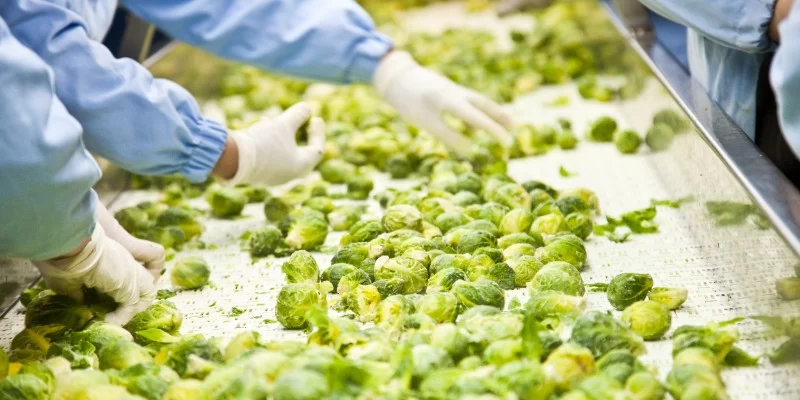
FSSC 22000 V7 Food Safety System Certification Introduction Training Course
This course has been developed by SGS for the benefit of clients wishing to understand the FSSC 22000 Certification Scheme and its requirements. In May 2026, the scheme was substantially updated from version 6 (v6) to version 7 (v7).This course aims to assist organisations and individuals to understand the new and updated requirements under FSSC 22000 v7 and ISO 22003:2022, identifying and reviewing the specific requirements for Food Fraud Mitigation Food Defense and Food Safety Culture.Course ContentIntroduction to FSSC 22000 V7Food Safety Management System (FSMS)Food Defense, Food Fraud Mitigation and Food Safety CultureSummary of changes in FSSC 22000, from V6 to V7
 Food
Food
Cold Chain Management Systems (CCMS) Practitioner Training Course
This training course is tailored for professionals in Australia’s cold chain sector with the advancement of skills and knowledge required to implement maintain and continually improve a Cold Chain Management System (CCMS) based on the requirements of ISO 45001:2018.Course ContentSession 1 - CCMS Overview and Context of the OrganisationSession 2 - Leadership and CommitmentSession 3 - PlanningSession 4 - SupportSession 5 - Operation and EvaluationSession 6 - Improvement
 Supply Chain
Cold Chain Management System - Introduction Training Course (CVILT)
The purpose of this course is to provide learners who work in the cold chain supply, distribution or retail sector with the advancement of skills and knowledge required to implement, maintain and continually improve a Cold Chain Management System (CCMS), based on the requirements of ISO 45001:2018COURSE CONTENT An overview of cold chain management systems and how they relate to the cold chain sector.Context of the organisation & stakeholders.Leadership and commitmentPlanningSupportOperationContinual improvementCold chain breaches protocol
 Food Safety and Food Hygiene
Introduction to Food Safety Culture Training Course
The purpose of this course is to equip you with the knowledge and understanding of Food Safety Culture and its shared values, beliefs and norms that affect mindset and behaviour towards food safety in, across and throughout an organisation.Course ContentIntroduction to the concept of a Food Safety CultureDeveloping a Food Safety CultureImplementing and monitoring a Food Safety Culture ProgrammeAuditing a Food Safety CultureFood Safety Culture reporting
 ISO 13485 – Medical Devices
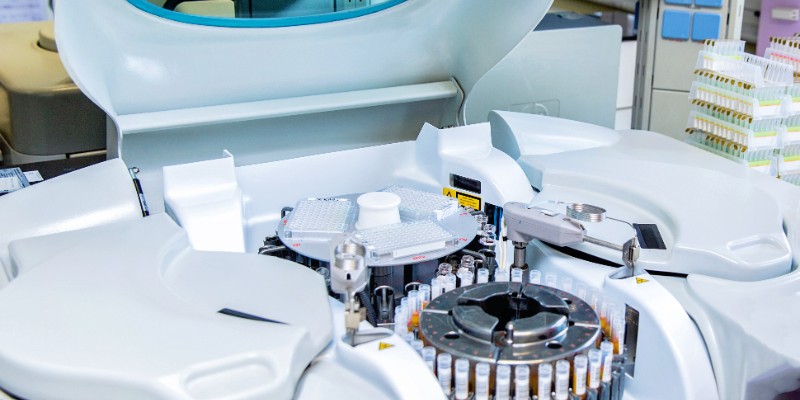
ISO 13485:2016 Medical Device Quality Management Systems (MD QMS) Introduction Training Course
The purpose of this course is to equip learners with an understanding of the concept of Medical Device Quality Management Systems (MD QMS) and provides an overview of the purpose and requirements of ISO 13485:2016 as a tool for business improvement.The course covers the following content:Introduction and Structure of ISO 13485:2016, Clauses 1 to 3Clauses 4 (Quality Management System) and 5 (Management Responsibility)Clauses 6 (Resource Management) and 7 (Product Realisation)Clause 8 (Measurement Analysis and Improvement)
 ISO 13485 – Medical Devices
ISO 13485:2016 Medical Device Quality Management Systems (MD QMS) Internal Auditor Training Course
This course will provide learners with the knowledge and skills required to perform an internal audit, based on the Medical Devices Quality Management System (MD QMS) requirements of ISO 13485:2016.The course covers the following content:Introduction to Medical Device QMS and ISO 13485:2016; Clause 4 (Quality Management System), Clause 5 (Management Responsibility), Clause 6 (Resource Management), Clause 7 (Product Realisation) and Clause 8 (Measurement Analysis and Improvement)Audit: Definition, Principles and TypesRoles and Responsibilities of AuditorsPlanning and Preparation for the Audit, including On-site ActivitiesAudit Reporting and Follow-up
 Industrial
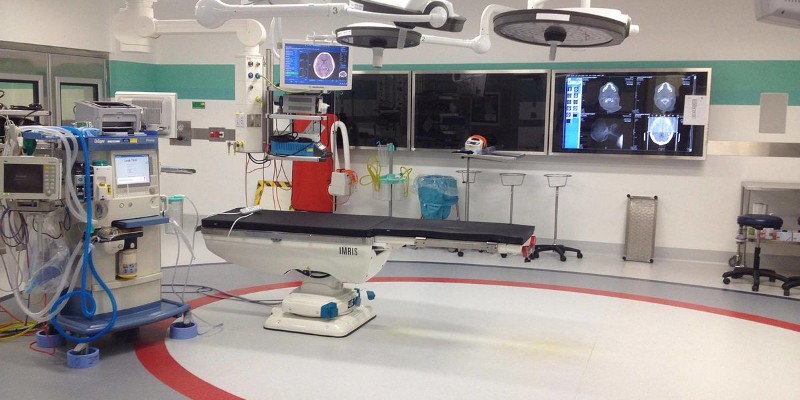
Ionising Radiation Safety and Fluoroscopy (MED1-2) Training Course VIC
This course is recognised by the Victorian Department of Health as an approved training course for obtaining a radiation use license for fluoroscopy. The course includes a basic introduction to radiation and the related risks. This course will provide participants with an in depth description of how X-rays are produced, and the technologies and techniques associated with fluoroscopy that may be utilised to optimise image quality whilst reducing patient and staff dose.
 BRCGS
BRCGS
BRCGS - Validation and Verification
This course will provide participants with a thorough understanding of validation and verification so they know the level of detail required for each process and are able to use validation and verification in practice. This is especially helpful when implementing some of the requirements in the BRCGS Standards.
 BRCGS
BRCGS
BRCGS - Root Cause Analysis
This course is to provide participants with a thorough understanding of root cause analysis (RCA) to know the importance of RCA, and to be able to perform RCA competently. This is especially helpful when implementing some of the requirements in the BRCGS Standards.
 BRCGS
BRCGS
BRCGS - Hazard Analysis and Risk Assessment (HARA)
By attending this two-day course participants will gain the essential knowledge of the hazard analysis and risk assessment principles using exercises and activities to demonstrate the preparatory stages to the development of a HARA plan. To successfully complete the course, participants will need to complete an exam to assess their understanding and application of the learning outcomes.